

Pre-colonial period
For tens of thousands of years, the region was covered by a glacier several kilometres thick. There was virtually no life back then. The appearance of the first human groups in the area some 10,000 years ago was made possible through a series of geographical, climatic and hydrological changes.
Well before becoming "Place-Royale", the location known as the Point of Quebec was inhabited by Indigenous peoples. Due to its geographic position, it was an ideal spot for hunting and fishing. Archaeological excavations showed that the Algonquin, the St. Lawrence Iroquoians and the Wendat made frequent stops there.
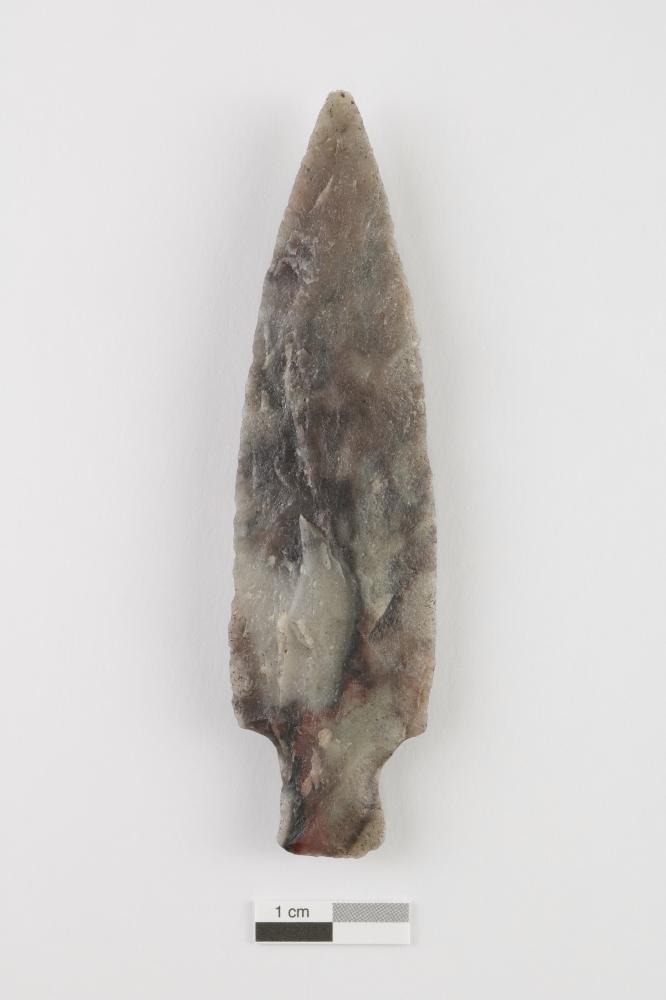
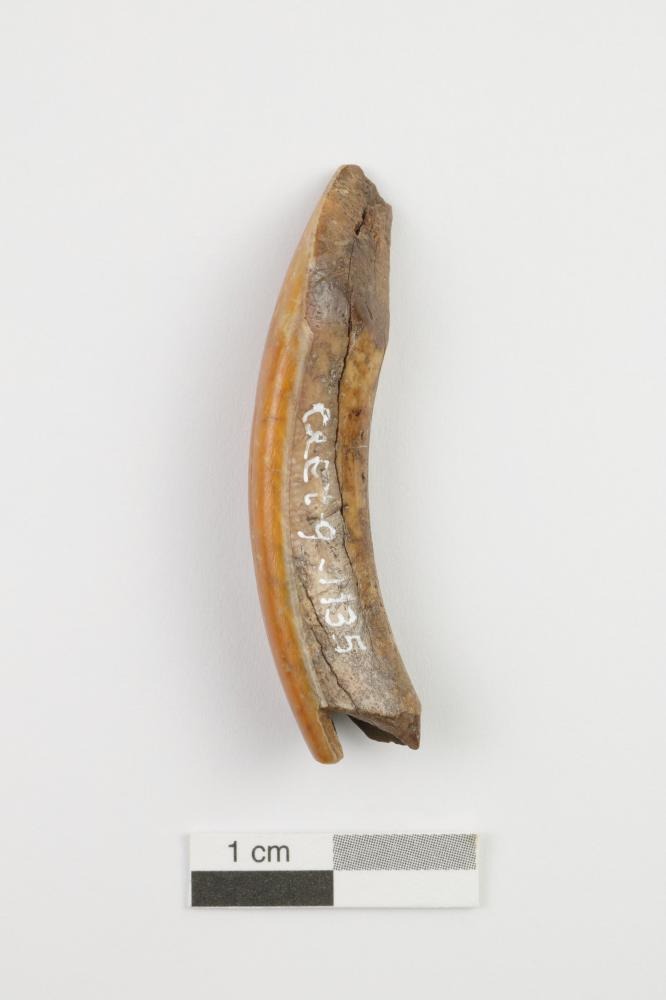
The St. Lawrence Iroquoians, one of the predominant Indigenous groups in the region, settled in the fortified village of Stadaconé just a few kilometres away from the Point of Quebec, in what is now the Limoilou neighbourhood. This may explain why no traces of a permanent settlement have ever been discovered on the Point of Quebec.
The history of the Indigenous people’s settlement of the land is divided into three periods: the Paleoindian period (12,000 to 5000 BCE (BC)), the Archaic period (5000 to 1000 BCE (BC)) and the Woodland period (1000 BCE (BC) to 1500 CE (AD)). Although the earliest traces of Indigenous occupation in Quebec date back to the Paleoindian period, they did not appear at the Point of Quebec until much later. There is evidence that by around 3000 BC, the location was used for stone working. Several centuries later, it became a resting spot for semi-sedentary groups who came there to hunt and fish. From the year 1000 AD onwards, the Point of Quebec was visited less frequently.
