The curious history of the bust of Louis XIV
A history spanning three centuries
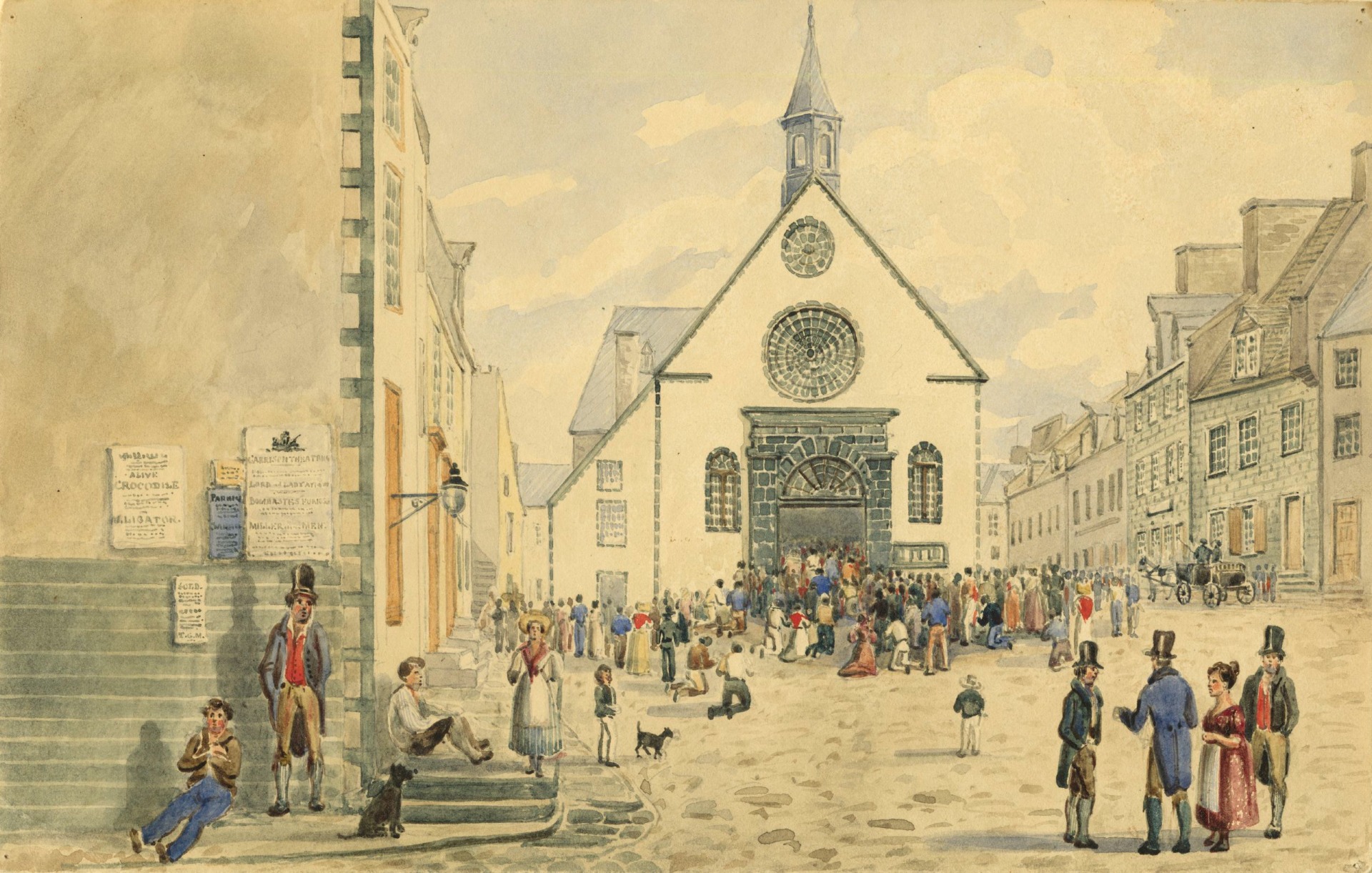
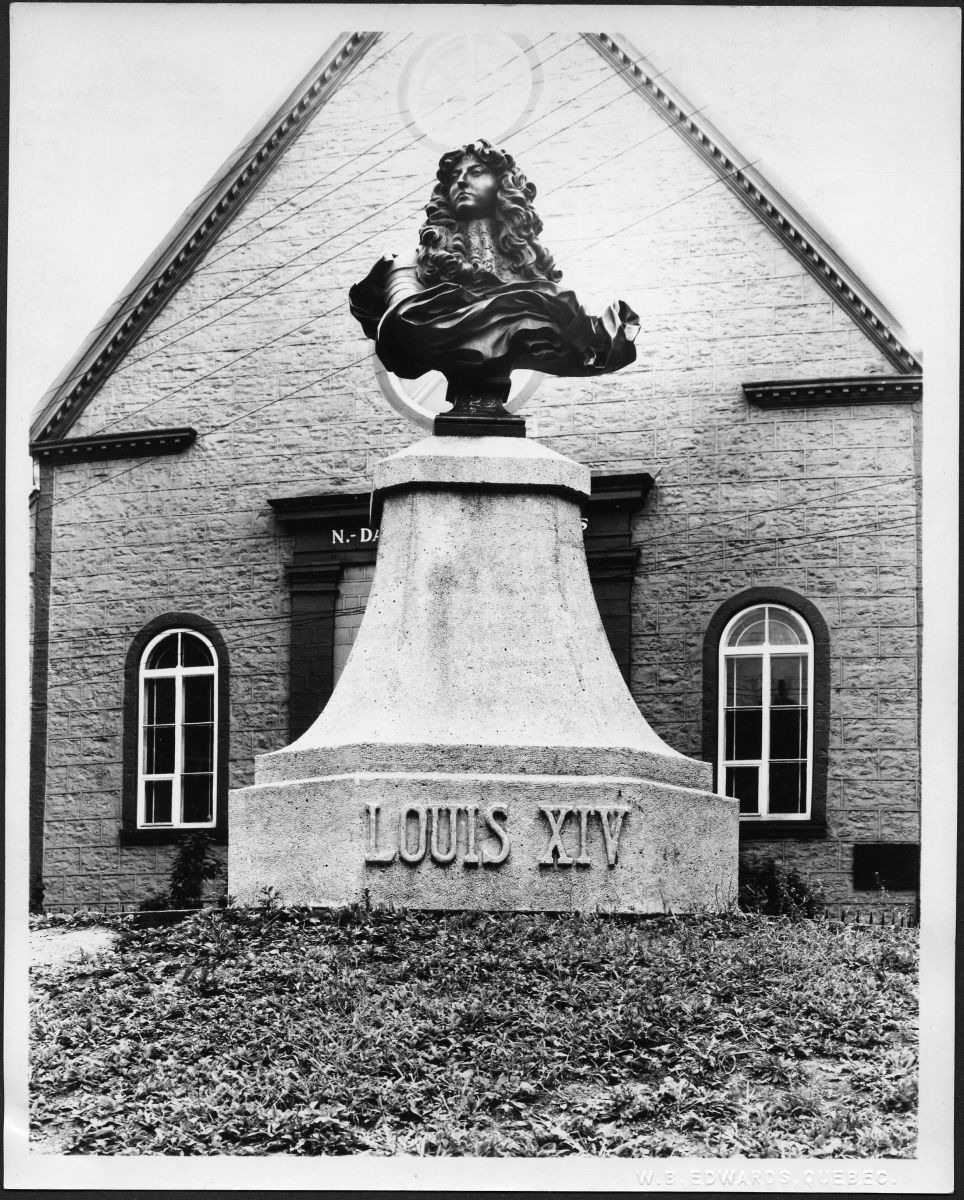
In the centre of Place-Royale stands a bust of Louis XIV, a symbol of the French monarchy. Although its story began in the time of New France, the bust you see today is actually a reproduction based on the original, which was lost many years ago.
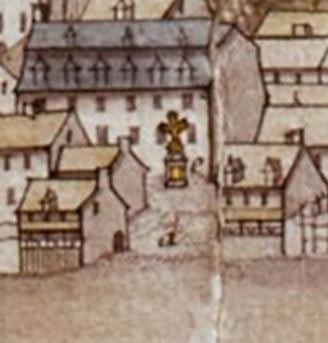
The first bust was installed in 1686 by Intendant Bochart de Champigny. However, its presence was a source of great annoyance to the merchants who frequented the area. They argued that the bust was obstructing traffic. In the face of popular discontent, it was removed in 1700, and no one knows exactly what became of it. The most likely theory is that it was moved to the Intendant’s Palace and consequently destroyed in the fire of 1713, which engulfed the first palace.
It was mainly thanks to the installation of this bust that the site next to Champlain’s Habitation became known as Place-Royale, the name it still bears today.
Almost three centuries later, another bust of Louis XIV appeared. In 1928, a brand-new bust was made by the French government at the request of the Province of Quebec. The fountain that stood in the centre of Place-Royale was replaced by the new bust in 1931, finally restoring the square’s “royal” status...
How “royal” is Place-Royale, really?
What is a “place royale,” anyway? In the days of the Ancien Régime, it simply signified a square dedicated to commemorating the king. There was one in practically every major city in France. Unsurprisingly, a bust of the king was always found in a central location on these squares. Even though the original bust of Louis XIV only remained in place for a few years, Place-Royale still owes its name to it. Today, the presence of the new bust is a nod to the square’s original purpose.
Before becoming “royal”, this space simply named “Place du Marché” (“Market Square”), as a market was held there regularly. In the 18th century, it was once again known as the Market Square, as well as occasionally being referred to as “Place de la basse-ville” (“Lower Town Square”). Given its ever-changing status, we have no choice but to admit that this square hasn’t always been a royal one!