

The third time: the Siege of Quebec (1775-1776)
-6ml2clq.jpg?alt=media&token=5e4a7051-5839-480c-b4c0-4507692e756c)
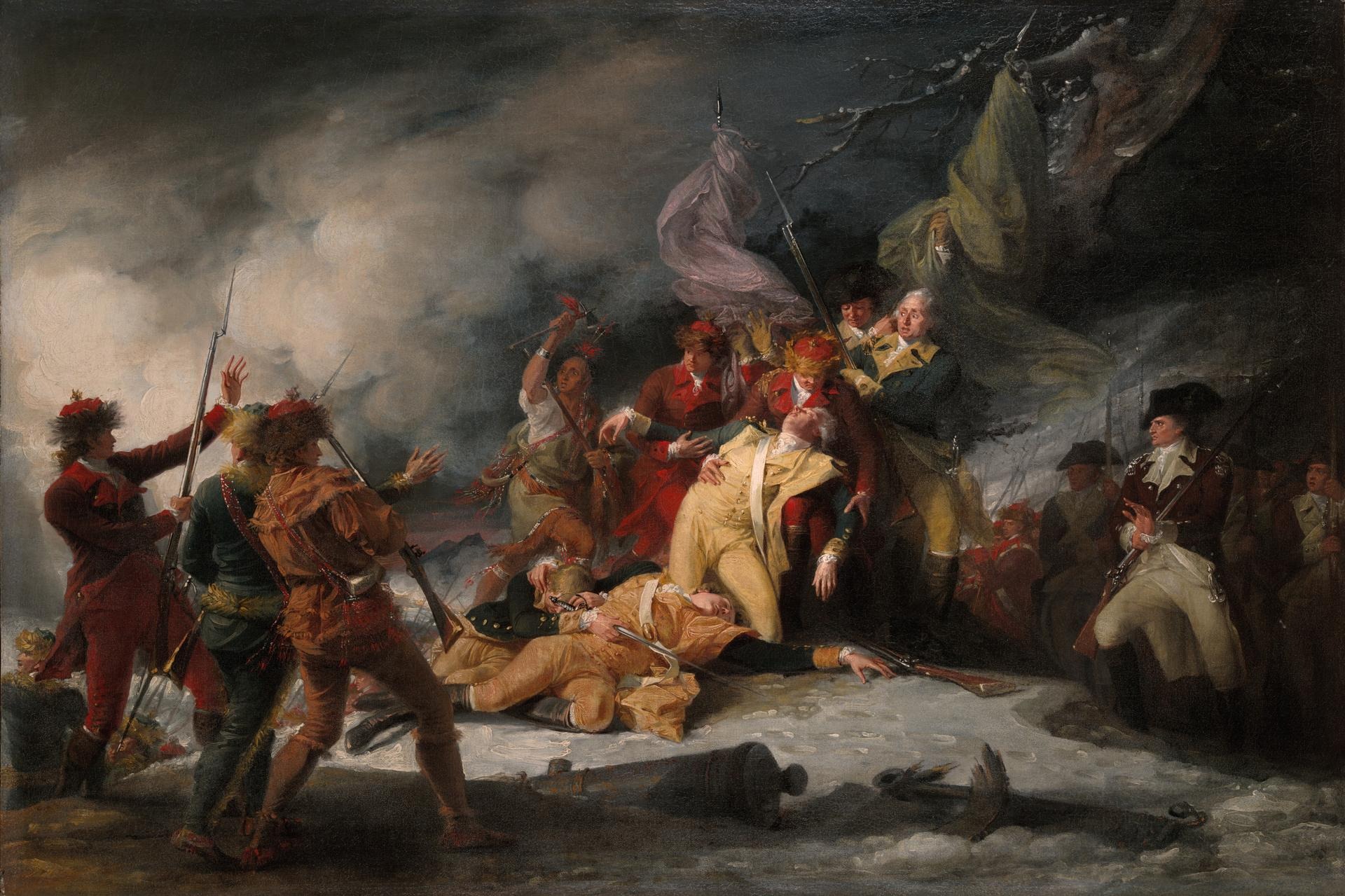
The Conquest did not mean the end of all threats. From 1775 to 1776, the colony was once again threatened by its southern neighbours. This attack was launched as part of the American War of Independence. The Thirteen Colonies saw the new Province of Quebec, now under British rule, as a threat to their plans for independence. Consequently, they planned an attack in the summer of 1775. It was conducted by two armies, led respectively by Benedict Arnold and Richard Montgomery. Following the capture of Montreal by Montgomery on November 13, the two groups met near Quebec City in early December. Benedict Arnold’s forces, which took a route through Maine to get there, had the misfortune of contracting many illnesses along the way. They suffered from fatigue and hunger after their journey, most of which they had to make on foot. Some soldiers even resorted to eating the leather of their shoes!
Faced with a severe lack of supplies, their only viable recourse to take the city was to launch a surprise attack. Thus, a simultaneous attack from the east and west sides of the Lower Town was planned for the night of December 31, in the midst of a snowstorm. The local population, who had been warned by spies, was ready and waiting. Urban fighting broke out in barricaded alleyways just a stone's throw from Place-Royale. The Americans suffered a staggering defeat and lost many men, including General Montgomery himself.
Despite the defeat, they kept the siege going until spring, hoping for reinforcements. Unfortunately, the British troops arrived first, putting an end to the attempted invasion on May 6, 1776.